
What to Know
- Oil prices improved slightly on Tuesday after a sharp drop in the previous session.
- Brent crude oil rose to $88.40 per barrel, while WTI increased to $81.
- Traders remain focused on Middle East supply risk, especially around the Strait of Hormuz.
- President Trump halted additional attacks on Iran and indicated that negotiations are underway, easing immediate supply fears.
- Iran has presented conflicting information about ceasefire talks, keeping market confidence fragile.
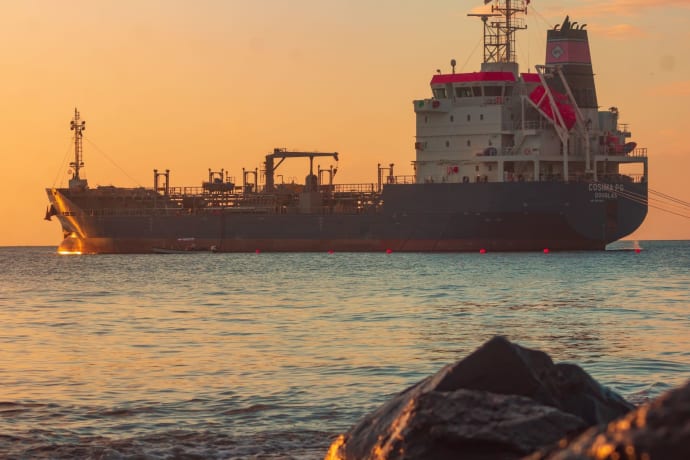
- Some tankers have opted for safer routes, while vessel traffic has decreased around the Strait of Hormuz.
- WTI is testing the importance of $77.50 support, while a clear break above $90 could put the $100 region in focus.
- A break below $77.50 in WTI could expose the $65 area, while a break below $69 on the weekly chart would likely add pressure.
- Brent remains supported near the $85 region, with a break below that level pointing toward the $81 area.
- A clear Brent recovery above $90 could support a move toward the $100 region.
Oil Rebounds as Traders Reprice Middle East Risk
Oil prices moved higher on Tuesday, recovering part of the ground lost during the previous session as market participants continued to weigh shifting signals from the Middle East. Brent crude oil rose to $88.40 per barrel, while WTI increased to $81. The modest rebound suggests that traders are not yet willing to fully remove the geopolitical risk premium from crude pricing, even after signs that negotiations involving the US and Iran may be underway.
The price action reflects a market caught between two powerful forces. On one side, the halt in additional attacks on Iran by President Trump and indications of negotiations have reduced the immediate fear of a severe supply shock. On the other side, conflicting information from Iran regarding ceasefire talks has kept uncertainty high. That mixture has created a choppy trading environment, where rallies and pullbacks can develop quickly as traders respond to headlines and shipping updates.
FXCOINZ market coverage shows that crude traders remain especially sensitive to any development tied to the Strait of Hormuz. The area is central to global oil shipping flows, and any additional disruption near the route could rapidly reduce exports and push prices higher. Even when physical supplies continue moving, the perception of risk can influence bids, hedging activity, and near term positioning across the oil market.
Diplomacy Eases Immediate Fear but Does Not Remove Risk
Oil prices had dropped after President Trump halted additional attacks on Iran and pointed to negotiations. That development encouraged optimism that a diplomatic path may be possible and helped reduce the immediate threat to oil supplies. For energy traders, any sign of de escalation can reduce the urgency to price in a major disruption, especially after a sharp move higher linked to conflict risk.
However, the market has not received the clear and consistent signals needed to fully stabilize sentiment. Iran has presented conflicting information about ceasefire talks, which has eroded confidence and contributed to the latest oil price rally. When diplomatic communication is uncertain, traders often keep a premium in the market because the cost of being under positioned for a sudden supply shock can be high.
The result is a crude market that may remain unsettled until both parties show clear progress toward an agreement. In this environment, any sign of diplomatic progress could pressure prices by reducing supply concerns. At the same time, any indication that talks are stalling or that military tensions could intensify may quickly restore buying interest in WTI and Brent.
Strait of Hormuz Shipping Concerns Remain Central
Shipping risk remains one of the most important drivers behind the current oil outlook. Some tankers have opted for safer routes, and vessel traffic has decreased around the Strait of Hormuz. These disruptions matter because rerouting vessels can add time, fuel, and insurance costs to transportation. Higher logistical costs do not always create an immediate supply shortage, but they can increase uncertainty and influence the price buyers are willing to pay for reliable supply.
As long as exports continue to increase through the Strait, some supply concerns may ease. Still, the market is likely to maintain a geopolitical risk premium while the situation remains unresolved. Oil traders are focused not only on current flows, but also on the possibility that further escalation could alter those flows quickly.
The Strait of Hormuz remains a key pressure point for crude markets because disruption risk can affect sentiment even before barrels are physically removed from the market. A perceived threat to shipping routes can change tanker behavior, raise costs, and encourage buyers to seek protection against potential price spikes. That is why crude prices may continue to react sharply to headlines from the region.
WTI Technical Outlook: $77.50 Support Holds Attention
WTI crude oil remains technically uncertain in the short term. On the 4 hour chart, the price has again tested short term support at $77.50 and rebounded higher. That support is marked by the neckline of a rounding bottom pattern formed in June. Technical traders often watch such levels because repeated rebounds can reinforce the idea that buyers are defending a zone.
From a chart perspective, WTI has already broken a descending channel pattern and is now hovering around the resistance of that channel. A clear break above $90 may push prices further toward the $100 region. Such a move would suggest that buyers have gained enough momentum to challenge a higher range, particularly if geopolitical uncertainty remains elevated.
The downside scenario is also important. A break below $77.50 may put additional pressure on WTI and could shift focus toward the $65 area. That would signal that recent support has failed and that sellers have regained control in the short term. For now, the $77.50 area remains a key dividing line between a recovery attempt and a deeper bearish extension.
WTI Weekly Chart Shows Wide Range Trading
The weekly chart highlights the broader uncertainty in the oil market. WTI has traded between $70 and $120 over the past few months, showing that the market has been moving within a very wide range. Such price behavior reflects unstable expectations around supply, demand, and geopolitical risk rather than a clean directional trend.
As long as the Middle East situation remains uncertain and there is no clear resolution between the US and Iran, WTI may continue to fluctuate within wide ranges. Range bound markets can be difficult for traders because support and resistance levels may attract sharp reactions, but headline risk can quickly override technical patterns.
A clear break below $69 would likely put further pressure on the WTI market. Conversely, a break above $120 would open the door for a strong rally in the oil market. Until either side of that wider range is decisively broken, technical traders may continue to treat WTI as volatile and reactive rather than firmly trending.
Brent Technical Outlook: $85 Support Keeps Recovery Alive
Brent crude oil also remains in a delicate technical position. The daily chart shows that price is consolidating above the 50 day SMA and remains below $90. The immediate support in Brent sits in the $85 region. A break below that level would likely push Brent further down toward the $81 area.
However, as long as Brent remains above the $85 region and the 50 day SMA, the potential for recovery remains high. A clear recovery above $90 would strengthen the bullish case and could push the price toward the $100 region. This makes $90 a key upside trigger for technical traders watching whether the rebound can develop into a stronger move.
The RSI is also fluctuating above the midline, highlighting positive short term price action. While that does not guarantee further gains, it suggests that momentum has not fully shifted back to sellers. In a market driven by geopolitical uncertainty, momentum signals can change quickly, but they remain useful for tracking whether buyers are maintaining control.
Brent Weekly Chart Shows Volatile Consolidation
The weekly chart for Brent crude oil shows consolidation near the $80 to $85 region after a failure to break above $100 in July. That failure left the market without a clear upward breakout, while the subsequent consolidation reflects uncertainty about whether supply risk is strong enough to sustain higher prices.
Brent remains highly volatile with no clear direction. However, overall momentum has shifted to the upside after the Iran war, which means the market may continue to consolidate amid strong volatility rather than immediately reversing lower. Traders are likely to keep watching whether Brent can hold above its key support area and eventually build enough strength for a break above $90.
For Brent, the key message is that the recovery remains possible but not confirmed. Holding above $85 supports the positive setup, while a decisive move above $90 would provide stronger evidence that buyers are regaining control. A break below $85 would weaken that view and bring the $81 area back into focus.
Market Outlook: Volatility Likely Until Clearer Signals Emerge
Oil prices may remain volatile as uncertainty around the US and Iran conflict stays high. Diplomatic progress could reduce supply concerns and pressure oil prices, especially if it signals that shipping routes and export flows will remain stable. But further disruptions near the Strait of Hormuz could still push prices higher by increasing the perceived risk of reduced exports.
WTI needs a clear break above $90 to make the $100 region a stronger target, while a drop below $77.50 could expose the $65 region. On the broader weekly chart, a break below $69 would likely add pressure, while a break above $120 would open the door for a strong rally. Those levels show how wide the current risk range has become.
Brent may retain a positive outlook while it holds above $85, but a clear break above $90 is needed to support a move toward $100. If Brent falls below $85, the $81 area becomes the next key downside level. Until diplomacy, shipping flows, and technical breakouts provide clearer direction, crude markets are likely to remain highly sensitive to every major development.
Frequently Asked Questions (FAQs)
Why did oil prices rebound on Tuesday?
Oil prices improved after the sharp drop in the previous session because traders remained concerned about Middle East supply risks. Brent rose to $88.40 per barrel, while WTI increased to $81.
What is driving volatility in WTI and Brent?
Volatility is being driven by mixed signals around US and Iran negotiations, conflicting information about ceasefire talks, and shipping risks near the Strait of Hormuz.
Why is the Strait of Hormuz important for oil prices?
The Strait of Hormuz is closely watched because disruption near the route could reduce oil exports and raise transport costs. Some tankers have already opted for safer routes, and vessel traffic has decreased around the area.
What level does WTI need to break for a bullish move?
WTI needs a clear break above $90 to support a move toward the $100 region. Technical traders are watching that level as a potential upside trigger.
What happens if WTI breaks below $77.50?
A break below $77.50 could put further pressure on WTI and expose the $65 area. The level is important because it has acted as short term support.
What is the key support level for Brent crude oil?
The key support level for Brent is in the $85 region. If Brent breaks below that area, the market could move down toward the $81 area.
What would confirm a stronger Brent recovery?
A clear recovery above $90 would strengthen the case for Brent to move toward the $100 region. Holding above $85 and the 50 day SMA also supports the recovery outlook.
Could diplomacy push oil prices lower?
Yes. Clear diplomatic progress between the US and Iran could reduce supply concerns and pressure oil prices, especially if it lowers the perceived risk to shipping and exports.
Could oil prices still rise sharply?
Oil prices could still rise if the conflict escalates or if shipping disruptions near the Strait of Hormuz intensify. In that scenario, the market could maintain or expand its geopolitical risk premium.