
What to Know
- Commodity markets are being reshaped by a new scarcity equation in which access, transport, refining and timely delivery matter as much as raw supply.
- China suspended October fuel-product exports as Beijing prioritized domestic energy security and sought higher diesel, gasoil and gasoline inventories.
- The G7 agreed to coordinate the release of 100 million barrels of crude and refined products from emergency reserves, with diesel supplies front-loaded.
- Global oil consumption is roughly 100 million barrels every day, showing the scale of the market governments are trying to stabilize.
- U.S. diesel recently reached a record $6.528 a gallon, while the U.S. ultra-low-sulphur diesel crack spread reached a record closing high of approximately $118 a barrel in September.
- U.S. refineries operated at an average utilization rate of 96.3% during the third quarter, compared with 91.9% in 2024, yet tightness persisted.
- Copper recently broke above $14,500 per tonne and reached an all-time high as available supply outside the United States tightened.
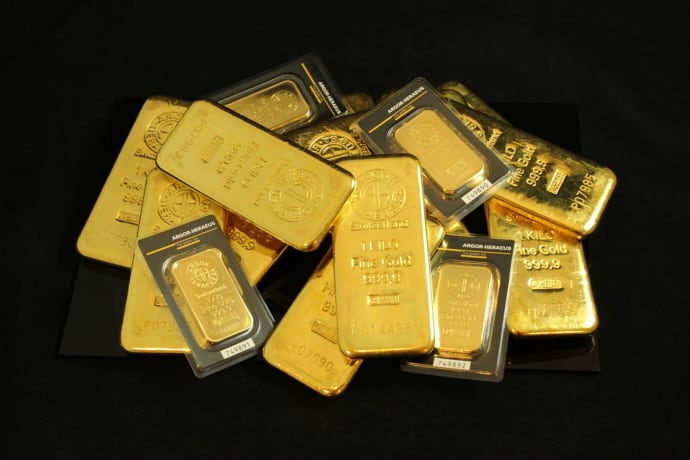
- Gold has remained above $4,000 despite U.S. Treasury yields reaching multi-decade highs, while China imported 1,077 tonnes of gold during the first eight months of 2026.
- The FAO Food Price Index rose 1.5% in September to its highest reading in nearly four years, with cereals, wheat, maize, sugar and sorghum all moving sharply higher.
A New Commodity Equation Is Taking Shape
Commodity markets are entering a phase in which scarcity is no longer defined only by how much oil, metal or grain exists in the ground. The more urgent question is whether those materials can be extracted, processed, transported and delivered in the right form at the right time. For investors and policymakers, that shift is changing how energy, metals and food are being priced.
The world may still have oil, copper, gold and agricultural output, but the cost and complexity of bringing these resources to consumers has risen sharply. Refining constraints, freight disruptions, geopolitical fragmentation, weather risk and strategic stockpiling are all becoming part of the price. In that environment, physical availability can matter more than headline reserves.
FXCOINZ market coverage shows that the scarcity trade is increasingly about bottlenecks. A barrel of oil underground does not solve a diesel shortage if refining capacity is constrained. A copper deposit does not ease pressure if the metal cannot reach industrial users. A strong harvest in one region may not prevent food-price strain if freight, fertilizer, weather and policy disruption interfere with global supply chains.
Governments Step Into Fuel Markets
The clearest evidence of stress is visible in government intervention across fuel markets. China, which has the world’s largest refining system, suspended October fuel-product exports as Beijing prioritized domestic energy security. Commercial Chinese diesel and gasoil inventories were estimated at roughly 20 million barrels below the level authorities wanted before normalizing exports, while gasoline inventories were approximately 9 million barrels short.
That decision matters because fuel products are not simply financial instruments. They are the operating base of transport, industry, farming and construction. When a major refining center holds back exports, the impact can move across regional supply chains and intensify competition for available barrels elsewhere.
The G7 has also moved to coordinate the release of 100 million barrels of crude and refined products from emergency reserves, with diesel supplies front-loaded. At first glance, that figure appears large. Against global oil consumption of roughly 100 million barrels every day, however, it highlights the size of the market that governments are trying to stabilize.
Emergency reserves can ease immediate pressure, but they do not create new refining capacity. They can temporarily add supply to the market, but they cannot instantly resolve shortages in the specific fuel products that economies need most. That distinction is central to the current commodity setup.
Diesel Tightness Reaches the Real Economy
Diesel is where the scarcity trade becomes visible in daily economic activity. U.S. diesel recently hit a record $6.528 a gallon. The U.S. ultra-low-sulphur diesel crack spread, a closely watched measure of refining profitability and product tightness, reached a record closing high of approximately $118 a barrel in September.
Refineries responded aggressively. U.S. refineries operated at an average utilization rate of 96.3% during the third quarter, compared with 91.9% in 2024. Even with that elevated level of activity, tightness persisted, underscoring that the issue is not merely weak production discipline. It is a structural squeeze between product demand, refining availability and logistics.
Diesel powers freight, agriculture, mining, construction and manufacturing. Higher diesel costs therefore do not remain isolated inside energy markets. They can move through trucking rates, food production, industrial input costs and construction budgets. Every truck, excavator, combine harvester and supply chain facing higher fuel costs becomes another channel through which commodity scarcity reaches consumers and businesses.
For markets, diesel is important because it connects oil to broader inflation pressure. Crude benchmarks can capture one layer of energy pricing, but refined products show where constraints are hitting end users. When diesel cracks surge while refineries run near capacity, technical traders often read it as a sign that the market is dealing with physical scarcity rather than a simple speculative move.
Copper and Gold Reinforce the Hard-Asset Signal
The scarcity theme extends beyond energy. Copper recently broke above $14,500 per tonne, reaching an all-time high as available supply outside the United States tightened. Copper is essential to power infrastructure, construction, manufacturing and electrification, which makes the metal highly sensitive to shifts in physical availability.
When copper prices break records, the move can signal more than cyclical demand. It can reflect concerns that supply growth is not keeping pace with the scale of future industrial requirements. Mine development is slow, permitting can be difficult and processing networks are concentrated. Those factors can turn copper into a powerful expression of long-term hard-asset scarcity.
Gold is sending a different but related message. Despite U.S. Treasury yields reaching multi-decade highs, which would normally create a substantial headwind for a non-yielding asset, gold has remained above $4,000. That resilience suggests that structural demand is offsetting forces that historically would have weighed more heavily on the metal.
China imported 1,077 tonnes of gold during the first eight months of 2026, putting annualized imports on course for their highest level in 11 years. Central-bank gold demand is forecast at approximately 720 tonnes this year, still substantially above pre-2022 levels. These flows point to ongoing interest in physical stores of value at a time when geopolitical fragmentation and reserve diversification remain prominent themes.
Agriculture May Be the Next Major Repricing
Food markets are also beginning to draw more attention. The FAO Food Price Index rose 1.5% in September to its highest reading in nearly four years. Beneath that headline move, several agricultural markets posted much stronger gains.
Global cereal prices jumped 5.1% in a single month and stood 17.2% above last year. Wheat gained 6.3%. Maize rose 5.6%. Sugar surged 6.1%. Sorghum jumped 13.7%. At the same time, world cereal trade is now forecast to decline 3.5% from 2025/26’s record level.
Agriculture is vulnerable because multiple forms of scarcity can arrive at once. Energy affects fuel and transport. Fertilizer links food prices to input costs. Weather can reduce yields. Geopolitical disruption can alter trade flows. Freight constraints can change where food is available and how expensive it becomes by the time it reaches consumers.
Unlike financial assets, agriculture cannot be created instantly through policy changes. Lower interest rates cannot replace a lost growing season, and liquidity cannot produce a harvest after weather damage has occurred. That physical reality is why some market participants see food as a potential next stage of the broader commodity repricing.
From a Hard-Asset Year to a Hard-Asset Decade
The broader question is whether the commodity move is near its end or still in an early phase. Gold has already demonstrated the force of structural demand. Copper has broken records. Energy markets have pushed governments toward strategic reserve releases. Agricultural prices are accelerating across several categories.
Portfolio thinking is also changing. UBS recently argued that commodities deserve renewed consideration amid inflation uncertainty, geopolitical fragmentation and concerns over traditional stock-bond diversification. That shift matters because commodities are no longer being viewed only as a short-term inflation hedge. They are increasingly being considered as exposure to assets the world cannot quickly replace.
There will still be corrections. Commodity markets are volatile, and sharp rallies often bring sharp pullbacks. Individual markets will move at different speeds, shaped by their own supply chains, policy risks, inventories and demand cycles. Oil products, copper, gold and agricultural commodities do not all respond to the same catalysts in the same way.
Even so, the scarcity trade rests on a simple imbalance: physical supply often cannot expand as quickly as financial capital can recognize shortage risk. Once investors, governments and corporations adjust to that reality, repricing can be rapid. That is why positioning has become as important as timing for many hard-asset investors.
What the Scarcity Trade Means for Investors
For investors, the current environment calls for a broader view of commodities. The focus is not only on inflation, but also on resilience, access and control over critical physical inputs. Energy products, industrial metals, precious metals and agriculture are each expressing different sides of the same constraint-driven market structure.
The risk is that traditional models may underestimate how quickly supply tightness can spread. A diesel squeeze can affect food and freight. A copper shortage can influence infrastructure and manufacturing expectations. Strong gold demand can reflect strategic reserve behavior rather than simple short-term speculation. Food-price acceleration can intensify political and economic pressure.
FXCOINZ sees the scarcity trade as one of the defining themes across hard assets. The world spent decades investing around assumptions of abundance, efficiency and global integration. The current market is increasingly rewarding attention to constraints, bottlenecks and strategic access. If that shift continues, the largest commodity moves may not be behind the market.
Frequently Asked Questions (FAQs)
What is the scarcity trade in commodities?
The scarcity trade refers to market positioning around the idea that physical commodities are becoming harder or more expensive to access, process and deliver. It focuses on real-world constraints such as refining capacity, transport, inventories, weather and geopolitical disruption.
Why is diesel central to the current commodity story?
Diesel matters because it powers freight, agriculture, mining, construction and manufacturing. When diesel prices rise and refining margins surge, the impact can spread through supply chains and raise costs across the broader economy.
Why did China suspend October fuel-product exports?
China suspended October fuel-product exports as Beijing prioritized domestic energy security. Commercial diesel and gasoil inventories were estimated at roughly 20 million barrels below the level authorities wanted before normalizing exports, while gasoline inventories were approximately 9 million barrels short.
Can emergency reserves solve the fuel shortage problem?
Emergency reserves can reduce immediate pressure by adding crude and refined products to the market. However, they cannot manufacture refining capacity, which means they may not fully solve shortages in specific fuel products such as diesel.
Why is copper part of the scarcity trade?
Copper is part of the scarcity trade because it is vital for construction, power infrastructure, manufacturing and electrification. Its move above $14,500 per tonne to an all-time high reflects concerns about tight available supply outside the United States.
Why has gold stayed strong despite high Treasury yields?
Gold has remained above $4,000 despite U.S. Treasury yields reaching multi-decade highs. Structural demand, including strong imports by China and continued central-bank buying, appears to be helping offset a traditional headwind for the non-yielding metal.
Are food prices becoming part of the commodity squeeze?
Food prices are increasingly part of the discussion. The FAO Food Price Index rose 1.5% in September to its highest reading in nearly four years, while cereal prices, wheat, maize, sugar and sorghum all posted notable gains.
Does the commodity rally mean prices will only move higher?
No. Commodity markets can experience corrections and violent pullbacks, and different commodities move at different speeds. The scarcity thesis suggests structural support may persist, but it does not eliminate volatility or market risk.
Why are investors reconsidering commodities now?
Investors are reconsidering commodities because inflation uncertainty, geopolitical fragmentation and concerns about traditional stock-bond diversification have increased interest in hard assets. Commodities offer exposure to resources the world cannot quickly replace.