
What to Know
- U.S. gasoline futures fell about 4% Friday, adding pressure to crude as product-market weakness developed alongside a reassessment of the war premium.
- Market participants are weighing talk of a possible U.S. ban on diesel exports, a move that could pressure refinery margins and reduce refiners’ appetite for crude.
- The WTI discount to Brent widened to its highest level since May for a third straight day.
- Hormuz remains a central supply-risk issue, with commodity vessel traffic falling to nine Thursday from 14 the prior day, compared with a 10-day average of 18.
- Before the war, the Strait typically handled about 125 large commercial vessels a day, underscoring how disrupted shipping conditions remain.
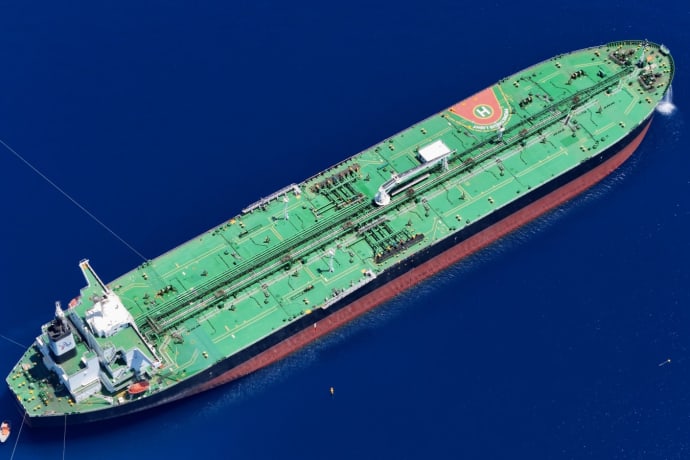
- Kpler data showed 33.7 million barrels of crude moved out of Hormuz in the week beginning September 20, carried by 19 tankers including 17 VLCCs loaded mostly in Saudi Arabia and Iraq.
- December Brent crude oil futures settled lower Friday, but the main trend remains up unless prices trade through $93.68.
- November WTI crude oil futures settled below $93.64, while December Brent crude oil futures settled below $97.89, giving sellers the early advantage heading into Monday.
Oil Market Faces Pressure From Products and Diplomacy
Crude oil enters the new week under pressure as traders balance two competing forces: softer product-market signals and unresolved physical supply risk around the Strait of Hormuz. WTI and Brent both weakened as truce-related headlines encouraged some traders to reduce war-premium exposure, while gasoline futures fell about 4% Friday and intensified the bearish tone across the petroleum complex.
The products side matters because crude demand from refiners is shaped by the profitability of turning raw oil into gasoline, diesel and other fuels. When product prices weaken, refinery margins can narrow, and that can reduce the incentive to process more crude. In Friday’s session, crude did not face pressure from diplomacy alone. The gasoline move created a second source of selling interest, leaving the market more vulnerable as traders looked toward Monday’s open.
Adding another layer, market participants are also assessing talk of a possible U.S. ban on diesel exports. If diesel were kept in the domestic market, it could weigh on refinery margins and potentially lead refiners to process less crude. That possibility has helped make the product side of the market more complicated at the same time crude traders are trying to price geopolitical risk.
WTI Discount to Brent Widens as Refining Questions Build
The spread between U.S. crude and the international benchmark has become a key signal. The WTI discount to Brent widened to its highest level since May for a third straight day, showing that the crude side is getting cheaper relative to Brent while product-market uncertainty grows. A wider discount can reflect regional supply, export, refining and logistical dynamics, but in this case it is also being watched as a sign that U.S. crude is facing additional pressure from the products complex.
Gasoline weakness and diesel-export-ban speculation hit the market from two directions. Gasoline’s decline suggested softer demand or weaker product pricing, while diesel policy talk raised questions about how refiners would respond if export options narrowed. Together, those factors reduced the cushioning effect that refined products sometimes provide when crude markets are stressed by geopolitical headlines.
For WTI, the immediate technical burden is clear. November WTI crude oil futures settled below $93.64, leaving sellers with the early advantage heading into Monday. Technical traders are watching whether prices can reclaim the $95.18 to $96.72 retracement zone. A recovery through that area would help shift momentum, but a stalled rally could produce a secondary lower top at $96.78, which would reinforce the presence of sellers.
Hormuz Remains a Physical Supply Risk
Despite the selling pressure, crude has not broken sharply lower because the Saudi supply threat continues to matter. Houthi attacks have disrupted Saudi oil flows, and military coordination involving Saudi, Turkish and Pakistani chiefs is in focus as the kingdom seeks support. Saudi Aramco increased exports through Hormuz after drone attacks on the East-West Pipeline halted shipments from the Red Sea port of Yanbu earlier this month, keeping the Strait of Hormuz at the center of global oil-market attention.
Kpler data showed 33.7 million barrels of crude moved out of Hormuz in the week beginning September 20. That crude moved on 19 tankers, including 17 VLCCs loaded mostly in Saudi Arabia and Iraq. The pace was broadly in line with the prior week, which suggests barrels are still moving, but the vessel count paints a much more fragile picture of maritime conditions.
Commodity vessels transiting Hormuz fell to nine Thursday from 14 the day before. The 10-day average is 18. Before the war, the Strait typically handled about 125 large commercial vessels a day. That contrast is the core reason traders remain cautious about pressing crude too far lower. Nine vessels does not resemble normal commercial activity; it points to a heavily constrained route where barrels may be moving under conditions shaped by security concerns.
The difference between barrel movement and vessel movement is important. A relatively steady crude volume can mask operational stress if fewer ships are moving through a critical chokepoint. Large tankers can carry substantial volumes, but a reduced vessel count indicates that shipping confidence, insurance considerations, escort requirements or broader security constraints may still be limiting activity.
Russia Adds Another Supply Variable
Russia introduced a further supply question on the same day. The United States proposed a trilateral meeting in the UAE with Ukraine and Russia to discuss ending that war. Any credible agreement would potentially add Russian energy exports to a market already trying to determine how much oil can reliably move through Hormuz.
For traders, the Russia dimension interacts with the Hormuz issue in complex ways. A credible diplomatic path could be interpreted as bearish if it raises expectations for additional energy flows. At the same time, if Hormuz remains severely constrained, the market may hesitate to price in easier supply conditions too aggressively. That tension helps explain why crude can weaken on headlines while still retaining a supply-risk floor.
FXCOINZ market coverage indicates that the next price move may depend less on broad headlines and more on whether diplomacy produces concrete logistical changes. Oil traders tend to react quickly to truce talk, but physical market signals such as vessel counts, loading patterns and export routes can determine whether early optimism holds or fades.
Brent Technical Levels Set Monday’s Test
December Brent crude oil futures settled lower Friday, but the main trend remains up. A trade through $93.68 would change the main trend to down, while a move through $104.71 would signal a resumption of the uptrend. That leaves Brent positioned between technical support and resistance at a time when news flow is unusually important.
The minor trend is also up, though a new minor top has formed at $102.39. Some chart watchers view that level as a warning that a secondary lower top may be forming. If sellers defend rallies below that area, bullish conviction could weaken even while the broader trend remains formally positive.
Retracement zone resistance for December Brent is marked at $99.20 to $101.50. Retracement zone support sits at $93.80 to $91.22. The 50-day moving average at $89.04 is also providing support and trend direction. These levels give technical traders a map for the next phase of price action, particularly if Monday’s open brings a sharp response to weekend diplomacy or fresh shipping headlines.
December Brent crude oil futures settled below $97.89, leaving sellers with the early advantage. Buyers need to reclaim $99.20 before they have a stronger case for a move toward $101.50 and the $104.71 main top. If a rebound fails below the upper resistance area, the secondary lower top at $102.39 remains a risk for the contract.
What Traders Are Watching Next
The immediate focus is whether U.S.-Iran talks in New York lead to concrete steps toward reopening Hormuz or simply produce another round of headlines that fade by Monday. Iran’s nuclear position keeps the gap between the two sides visible, and the physical market has not shown the same confidence as headline-driven crude selling. Hormuz vessel traffic at nine compared with a pre-war average of 125 suggests the supply chain remains far from normal.
For WTI, the key question is whether sellers can maintain control after the settlement below $93.64. Reclaiming $95.18 to $96.72 would help shift near-term momentum, but failure in that zone could confirm seller interest. For Brent, the $99.20 to $101.50 resistance area is likely to shape the early tone, with $104.71 standing as the major upside marker and $93.68 as the level that would flip the main trend lower.
The broader message is that crude is caught between headline relief and physical caution. Gasoline weakness, diesel-export-ban talk and a wider WTI-Brent discount are adding pressure. However, Hormuz traffic remains deeply impaired, and that prevents the market from treating diplomacy as a full supply reset. Until vessel counts normalize or policy uncertainty clears, oil may remain vulnerable to sharp two-way moves.
Frequently Asked Questions (FAQs)
Why did WTI and Brent come under pressure?
WTI and Brent weakened as traders reassessed the war premium, reacted to truce-related headlines and absorbed pressure from the products market after U.S. gasoline futures fell about 4% Friday.
Why does gasoline weakness matter for crude oil?
Gasoline weakness can pressure crude because refiners process crude into products. If product prices fall, refinery margins may weaken, reducing the incentive to run more crude through refineries.
What is the significance of the possible U.S. diesel export ban?
Market participants are assessing the possibility that diesel could remain in the domestic market if exports were restricted. That could pressure refinery margins and potentially lead refiners to process less crude.
Why is the WTI-Brent spread important now?
The WTI discount to Brent widened to its highest level since May for a third straight day, signaling that U.S. crude is facing additional pressure while international supply risks remain elevated.
How disrupted is traffic through the Strait of Hormuz?
Commodity vessel traffic through Hormuz fell to nine Thursday from 14 the prior day, compared with a 10-day average of 18 and a pre-war level of about 125 large commercial vessels a day.
How much crude recently moved out of Hormuz?
Kpler data showed 33.7 million barrels of crude moved out of Hormuz in the week beginning September 20, carried by 19 tankers including 17 VLCCs loaded mostly in Saudi Arabia and Iraq.
What levels matter for November WTI crude oil futures?
November WTI crude oil futures settled below $93.64. Technical traders are watching whether prices can reclaim the $95.18 to $96.72 retracement zone, while a stalled rally could form a secondary lower top at $96.78.
What levels matter for December Brent crude oil futures?
December Brent crude oil futures settled below $97.89. Buyers need $99.20 to strengthen the case for $101.50 and the $104.71 main top, while a trade through $93.68 would change the main trend to down.
Is the oil market bearish or bullish heading into Monday?
Sellers have the early advantage because both WTI and Brent settled below key near-term levels, but the main Brent trend remains up and Hormuz supply risk continues to limit the downside case.