
What to Know
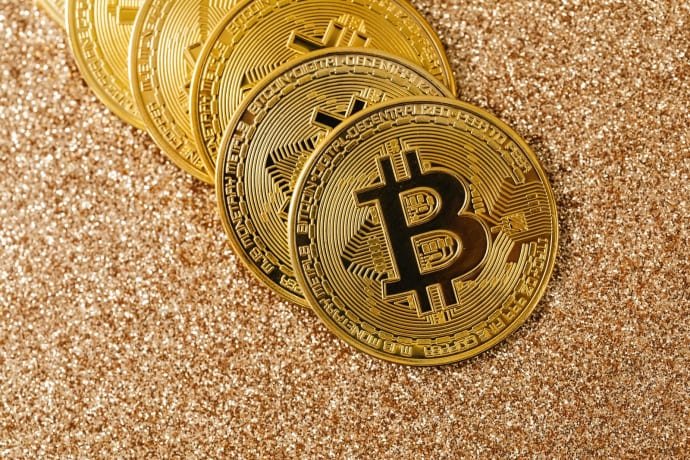
- Bitcoin traded just above $64,000, rising under 1% on the day and remaining roughly flat over seven days.
- Bitcoin remains about 49% below its October peak of $126,000, even as major equity indexes print fresh records.
- Ether slipped to $1,864 and was down 2% on the week, making it the only major token in the red on that weekly view.
- XRP fell almost 1% to $1.07, dogecoin declined by a similar amount to just under 7 cents, and tron slipped under 1% to 33 cents.
- Solana was flat near $73.60, while BNB added over 1% to $598 and led major tokens over seven days with a 5% gain.
- Hyperliquid’s HYPE stood out with a 3% rise to nearly $56 and was also 3% higher on the week.
- MSCI’s All Country World Index rose 0.4% toward another record close, while its Asia Pacific benchmark gained 2.2%.
- Australian shares hit a new peak after the S&P 500 and Dow closed at all-time highs Tuesday.
- Brent crude fell 1.1% to about $78.50 a barrel as traders monitored prospects for a Strait of Hormuz agreement involving Washington, Tehran and Oman.
- Treasuries and gold advanced as traders trimmed expectations for further rate hikes.
Bitcoin Lags as Risk Appetite Builds Elsewhere
Bitcoin’s muted performance near $64,000 stands out because it is unfolding during a broad risk-on phase in traditional markets. Global equity indexes have been advancing to fresh records, helped by renewed enthusiasm around artificial-intelligence-related shares, while digital assets have failed to capture the same momentum. In earlier market cycles, a powerful equity bid and softer rate expectations often helped support speculative assets, including crypto. This time, the response has been noticeably subdued.
The largest cryptocurrency was up less than 1% on the day and roughly unchanged over seven days, leaving it well below the $126,000 level reached last October. The gap between Bitcoin and major stock benchmarks is therefore becoming a defining feature of the current market. While the S&P 500 and Dow have pushed into all-time-high territory, Bitcoin is still about 49% beneath its record, a contrast that raises questions about where marginal capital is flowing.
For FXCOINZ readers, the key point is not simply that Bitcoin is flat. It is that Bitcoin is flat while many of the usual macro tailwinds appear supportive. Cheaper oil, a more constructive rate backdrop and strong demand for equity risk have not been enough to pull crypto higher. That suggests the drag may be coming from within digital-asset markets themselves, including positioning, liquidity, investor caution and a lack of fresh catalysts specific to crypto.
Ether Underperforms as Majors Stay Mostly Rangebound
Ether’s weekly decline has added another layer of weakness to the crypto tape. The second-largest digital asset slipped to $1,864 and was down 2% over the week, making it the only major token in negative territory on that comparison. In a healthier crypto advance, traders would normally expect Ether to participate alongside Bitcoin or even outperform during risk-seeking phases. Its underperformance reinforces the view that the market is struggling to build broad upside momentum.
Other major tokens were also restrained. XRP dropped almost 1% to $1.07, dogecoin fell by a similar amount to just under 7 cents, and tron moved under 1% lower to 33 cents. Solana was little changed near $73.60. The muted movement across these assets shows that the lack of traction is not isolated to Bitcoin alone. Instead, much of the crypto complex appears to be consolidating while equities absorb the bulk of investor enthusiasm.
There were pockets of strength. BNB gained over 1% to $598 and led major tokens over seven days with a 5% rise. Hyperliquid’s HYPE was the standout among the names cited by market participants, climbing 3% to nearly $56 and also holding a 3% weekly gain. Even so, these advances have not been strong enough to shift the wider narrative away from crypto stagnation. The broader market remains defined by selective gains rather than a synchronized rally.
AI-Linked Equities Keep Driving Global Benchmarks
The equity market offered a starkly different picture. MSCI’s All Country World Index advanced 0.4% toward another record close, while the Asia Pacific benchmark gained 2.2%. Australian shares also reached a new peak after the S&P 500 and Dow closed at all-time highs Tuesday. This sustained rise reflects ongoing investor confidence in the artificial-intelligence trade, which continues to support major global benchmarks even as some individual names show mixed results.
In Asia, SK Hynix rose 6.4% after the Seoul open, reinforcing the strength in semiconductor-linked shares. Nvidia added over 2% after hours, underscoring how investors continue to reward companies tied closely to AI infrastructure and computing demand. However, not every AI-linked or technology-adjacent name gained. AMD dropped 9% after a soft sales outlook, and SpaceX fell 7.5% on higher projected AI spending. The mixed stock-level moves show that investors are still discriminating among winners and laggards, even within the broader AI theme.
For crypto markets, this matters because the AI-led equity surge is absorbing a large share of speculative attention. When investors can find strong momentum in large, liquid equity names, digital assets may need their own independent catalyst to compete for flows. Without that catalyst, Bitcoin and Ether can remain sidelined even while broader risk appetite looks healthy. That is the current disconnect confronting crypto traders.
Oil, Rates and the Strait of Hormuz Watch
Brent crude fell 1.1% to about $78.50 a barrel as markets assessed the possibility of an agreement to reopen the Strait of Hormuz. Traders were watching for a potential announcement involving Washington, Tehran and Oman, with attention focused on Wednesday as a possible timing point. Any development around the strait matters because it is a key global energy chokepoint, and reduced tension there can influence oil prices, inflation expectations and central-bank pricing.
At the same time, Treasuries and gold both advanced as traders reduced expectations for further rate hikes. That combination suggests markets are becoming more comfortable with the idea that policy pressure may be less aggressive than previously feared. In theory, easing rate expectations can benefit Bitcoin by reducing the appeal of cash-like returns and supporting long-duration or speculative assets. Yet crypto’s reaction has been tepid, again pointing to internal market hesitation.
Some market participants view a confirmed Hormuz-related agreement as one of the clearest macro catalysts available in the near term. If such a development reduces oil-market stress and supports risk appetite, crypto would ordinarily have a chance to respond. However, if Bitcoin and other major tokens fail to rally even after confirmation, technical traders may interpret that as evidence that buyers remain absent or undercommitted.
Why the Crypto Disconnect Matters
The current setup is important because Bitcoin is not trading in isolation. It is being compared with record highs in equities, softer oil, firmer bonds and rising gold. These cross-market signals create a backdrop in which crypto’s underperformance becomes more visible. When macro conditions improve but digital assets remain rangebound, investors often look for crypto-specific explanations rather than blaming the broader environment.
Possible explanations include cautious positioning after prior volatility, limited new inflows, profit-taking in outperforming tokens, or skepticism about whether Bitcoin can reclaim momentum without a fresh narrative. The market does not need all of these factors to be true at once. Even a modest lack of conviction can keep prices pinned when competing assets are offering clearer near-term leadership.
Bitcoin’s roughly flat seven-day performance near $64,000 may therefore be less comforting than it appears. Stability can be constructive when it occurs after a strong rally or during a healthy consolidation. But stability can also signal demand fatigue if other risk assets are breaking out while crypto does not follow. That distinction is why traders are watching the next reaction closely.
What Traders Are Watching Next
The immediate focus is whether Bitcoin can react to a clear macro catalyst or whether it remains stuck near current levels. A confirmed agreement around the Strait of Hormuz would likely be judged through that lens. If oil remains pressured and risk assets stay firm, Bitcoin bulls would want to see a stronger move than the modest intraday gain currently visible. Without that response, bearish or cautious chart watchers may argue that the market is still lacking fresh demand.
Ether’s performance will also remain important. As the only major token down on the week among the assets highlighted, Ether is sending a weaker signal than Bitcoin. A stabilization in Ether could help improve sentiment across the broader market. Continued underperformance, by contrast, may keep investors cautious toward altcoins and decentralized-application-linked assets.
BNB and HYPE show that selective strength still exists, but selective strength is not the same as market-wide momentum. For Bitcoin to narrow the gap with equities, traders may need to see stronger participation across major tokens, rising confidence in the macro backdrop, and a reason for capital to rotate back into digital assets. Until then, the market remains defined by a striking contrast: stocks at records, Bitcoin far below its peak, and crypto buyers still waiting for a decisive spark.
Frequently Asked Questions (FAQs)
Where is Bitcoin trading now?
Bitcoin is trading just above $64,000, up under 1% on the day and roughly flat over seven days.
How far is Bitcoin below its record high?
Bitcoin is about 49% below the $126,000 level it reached last October.
Why is Bitcoin’s performance notable?
Bitcoin is lagging while global equity indexes are reaching fresh records, creating a clear disconnect between crypto and traditional risk assets.
How is Ether performing?
Ether slipped to $1,864 and is down 2% on the week, making it the only major token in the red on that weekly view.
Which major token is leading over seven days?
BNB is leading the majors over seven days with a 5% gain after rising over 1% to $598.
What happened in global stock markets?
MSCI’s All Country World Index rose 0.4% toward another record close, its Asia Pacific benchmark gained 2.2%, and Australian shares hit a new peak after the S&P 500 and Dow closed at all-time highs Tuesday.
Why are traders watching the Strait of Hormuz?
Traders are watching for a possible agreement involving Washington, Tehran and Oman to reopen the Strait of Hormuz, a development that could affect oil prices and broader risk sentiment.
What happened to Brent crude?
Brent crude fell 1.1% to about $78.50 a barrel as markets monitored the potential Strait of Hormuz agreement.
What would signal renewed crypto strength?
Market participants would likely look for Bitcoin to respond positively to supportive macro catalysts, Ether to stabilize, and broader participation across major tokens.