
What to Know
- Anthropic priced its IPO after the prior close, selling a little over 956 million shares at US$83 per share, above the marketed range.
- Spot gold is down nearly 15% against the US dollar year to date and is on track for a third consecutive monthly decline.
- Gold is trading near $3,738 after an extended fall, with recent chart levels showing a low of $3,694 and a previous high of $5,602.
- Spot silver has fallen nearly 40% against the US dollar so far this year, after trading from highs of US$121.64 to as low as US$44.75.
- The US dollar index recently touched 103.91, reaching levels not seen since April last year.
- Federal Reserve Governor Christopher Waller again floated the possibility of a substantial 50 bp hike next month to contain inflation.
- USD/JPY remains below ¥160, with the 200 day SMA in focus at ¥158.81 and daily resistance at ¥160.23.
- Australia’s October employment data disappointed, with unemployment rising to 4.9% from 4.7% in September and employment growth falling by 43,500.
- Australia’s participation rate came in at 66.6%, a level not seen since late 2025.
- Markets are fully pricing in only a 25 bp hike for next month’s Federal Reserve meeting, with the possibility of two more hikes next year.
Metals Stay Under Pressure as Dollar Momentum Builds
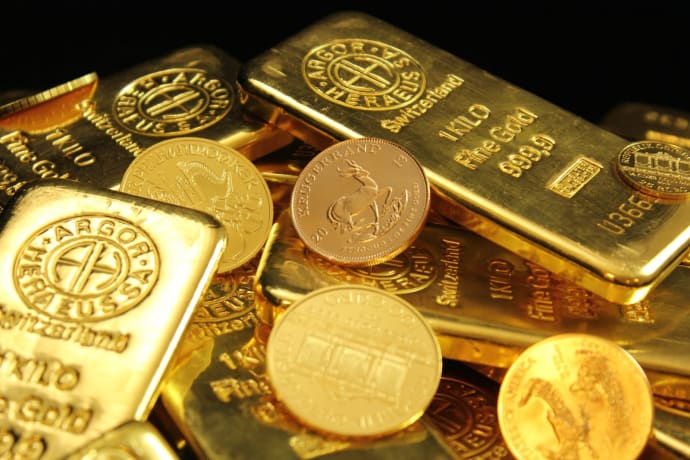
Gold and silver extended a difficult run as a stronger US dollar, hawkish Federal Reserve messaging and rising real yields continued to weigh on the metals complex. The latest market action has left spot gold down nearly 15% against the US dollar year to date, while silver has faced an even sharper drawdown, falling nearly 40% against the US dollar so far this year. For metals traders, the move reflects a familiar macro combination: tighter policy expectations, firmer real yields and a dollar rally that makes non yielding assets harder to hold.
Gold is trading near $3,738 after an extended decline, with recent chart references showing a low of $3,694 and a previous high of $5,602. The daily structure remains closely watched by technical traders because the sequence has offered a clear example of persistent downside momentum. While gold often attracts demand during periods of uncertainty, it can struggle when investors believe central banks will keep policy restrictive or push rates higher to contain inflation. In that environment, the opportunity cost of holding bullion can rise, particularly when the dollar is also advancing.
Silver has performed worse than gold in percentage terms. Spot silver has traded from highs of US$121.64 to as low as US$44.75, leaving it down nearly 40% against the dollar so far this year. The deeper slide highlights silver’s dual identity as both a precious metal and an industrial input. When policy expectations tighten and growth concerns appear, silver can be hit from both sides: weaker precious metals sentiment and softer assumptions around industrial demand. That combination has made the broader metals complex vulnerable as investors reassess exposure.
Hawkish Fed Pricing Remains Central to the Move
The Federal Reserve remains the central driver of the latest market rotation. Minutes released yesterday showed nearly all officials agreed that rates would need to rise in the months ahead. The unresolved question is the size and pace of those hikes. Market participants are focused on whether policymakers will move in smaller increments or consider a more forceful step if inflation pressures remain too persistent.
Federal Reserve Governor Christopher Waller again floated the idea of a substantial 50 bp hike next month to contain inflation. That comment added to the hawkish tone already visible in rates pricing and dollar strength. Even so, markets are fully pricing in only a 25 bp hike for next month’s meeting, while also allowing for the possibility of two more hikes next year. The gap between aggressive policy commentary and more moderate market pricing has become an important source of volatility across gold, silver, currencies and rates.
For precious metals, the key issue is real yields. When investors expect higher policy rates and inflation expectations do not rise in tandem, real yields can increase. Rising real yields often reduce the appeal of gold because bullion does not generate interest income. Silver can face similar pressure, with the added complication that tighter financial conditions may weigh on expectations for industrial activity. This is why hawkish Fed language has carried such a strong influence across the metals complex.
US Dollar Index Pushes to Year to Date Highs
The US dollar continued to strengthen, with the dollar index recently touching 103.91, a level not seen since April last year. That advance has reinforced pressure on dollar denominated commodities, including gold and silver. A stronger dollar can make metals more expensive for holders of other currencies, reducing international demand at the margin and tightening financial conditions for global markets.
One factor behind the dollar’s renewed strength has been the sharp rise in the US CESI since September. A firmer run of economic surprises can support the view that the Federal Reserve has room to remain restrictive. When US data prove more resilient than expected, traders may scale back expectations for policy relief and increase demand for the dollar. That dynamic has been visible across foreign exchange markets, where the greenback has outperformed while several major peers have weakened.
The stronger dollar has also complicated the outlook for metals investors who had expected a more durable defensive bid. Gold can rally during periods of stress, but it is not immune to the influence of rate expectations and currency moves. When the dollar rises alongside yields, the pressure on bullion can become more pronounced. Silver, because of its higher sensitivity to cyclical conditions, can experience even larger swings.
USD/JPY Holds Below ¥160 as Intervention Concerns Linger
In currency markets, USD/JPY remains contained below ¥160, a level that continues to draw attention from traders. The 200 day SMA is in focus at ¥158.81, while daily resistance is watched at ¥160.23. If the pair starts finding acceptance north of that resistance, chart watchers see little obvious resistance until ¥161.69. Such a move would likely increase concern about possible Ministry of Finance intervention, especially if yen weakness accelerates.
The yen’s sensitivity to yield differentials makes USD/JPY one of the most closely watched pairs when US rate expectations move higher. If the Federal Reserve remains hawkish while Japanese policy conditions remain relatively different, the pair can remain supported. However, the risk of official intervention can complicate momentum trades, particularly when the exchange rate approaches areas that have previously attracted policy attention.
For broader markets, USD/JPY matters because it reflects the global reach of US rate expectations. A rising dollar against the yen can reinforce the sense that US yields are exerting pressure worldwide. That can feed into commodity markets, emerging markets and global equities, creating a wider risk framework for gold and silver traders to monitor.
Australian Jobs Data Hits the Aussie Dollar
The Australian dollar weakened against G10 peers after October employment data disappointed. Unemployment rose to 4.9% from 4.7% in September, while employment growth fell by 43,500. The participation rate came in at 66.6%, a level not seen since late 2025. The figures were a clear setback for the Australian labor market narrative and pushed traders to reassess expectations for the Reserve Bank of Australia.
Bond market pricing is essentially signalling that investors think the RBA is done with its hiking cycle. That view weighed on the Aussie dollar because a less hawkish domestic central bank can reduce the currency’s relative yield appeal, especially at a time when the Federal Reserve is still being discussed in the context of additional hikes. The combination of weaker jobs data and a stronger US dollar created a difficult backdrop for AUD pairs.
The Australian data also mattered for commodity sentiment because Australia is closely tied to global raw materials demand. While gold and silver are driven by different forces than many industrial commodities, currency weakness linked to domestic data can still influence regional market psychology. In the current environment, traders are watching whether weaker labor data in major economies becomes a broader theme or remains isolated.
Anthropic IPO Demand Lifts Risk Sentiment
Equity sentiment received support from strong demand around Anthropic’s IPO. The company priced its IPO after the prior close, selling a little over 956 million shares at US$83 per share, above the marketed range. That pricing signalled strong investor appetite ahead of the open and helped support a positive tone across regional indexes in Asia and US equity index futures.
The IPO demand is notable because it arrives during a period of tighter rate expectations. Strong interest in a major offering suggests that investors are still willing to take on selected equity risk, especially where growth themes remain compelling. However, positive equity sentiment has not been enough to reverse the pressure on gold and silver, which remain more directly tied to the dollar, real yields and Fed pricing.
This divergence is important. Equities can rally on company specific demand or broader risk appetite, while metals can weaken if macro conditions become less supportive. In other words, green screens in equity futures do not automatically translate into support for bullion. For gold and silver, the dominant story remains monetary policy and the dollar.
What Traders Are Watching Next
The next focus is US weekly unemployment claims at 1:30 pm GMT, along with a series of Federal Reserve remarks during the US cash session. Labor market data remain critical because they influence the balance between inflation control and growth risk. If employment conditions remain firm, markets may become more comfortable with the idea that the Fed can keep policy tight. If labor data weaken, traders may reassess how far the central bank can go.
Federal Reserve commentary will also be closely examined for signs that the debate is shifting toward a 50 bp hike or staying centered on a 25 bp move. Market pricing currently favors the smaller increase for next month’s meeting, but repeated hawkish language can still affect yields, the dollar and commodities. For metals, any sign that real yields could continue rising would likely keep pressure on gold and silver unless safe haven demand becomes strong enough to offset that headwind.
FXCOINZ market coverage will continue to track whether gold can stabilize near recent levels or whether sellers remain in control. The same applies to silver, where the scale of the year to date decline has already been severe. A durable reversal would likely require a change in the dollar trend, a shift in rate expectations, or a clearer demand catalyst. Until then, technical traders may continue to treat rallies with caution.
Frequently Asked Questions (FAQs)
Why are gold and silver falling?
Gold and silver are under pressure as the US dollar strengthens, Federal Reserve messaging stays hawkish and real yields rise. Those conditions can reduce the appeal of metals, particularly because they do not offer interest income.
How much has gold fallen this year?
Spot gold is down nearly 15% against the US dollar year to date and is on track to record a third consecutive month in the red.
How much has silver fallen this year?
Spot silver is down nearly 40% against the US dollar so far this year. It has traded from highs of US$121.64 to as low as US$44.75.
What level did the US dollar index reach?
The US dollar index recently touched 103.91, reaching levels not seen since April last year.
What did the Federal Reserve minutes show?
The minutes showed that nearly all officials agreed rates would need to rise in the months ahead. The main uncertainty is the size of future hikes.
Is the market expecting a 50 bp Fed hike?
Although Christopher Waller floated the possibility of a 50 bp hike next month, markets are fully pricing in only a 25 bp hike for the next meeting, with the possibility of two more hikes next year.
Why is USD/JPY being watched closely?
USD/JPY remains below ¥160, with attention on the 200 day SMA at ¥158.81 and resistance at ¥160.23. If the pair moves higher toward ¥161.69, intervention concerns could increase.
What happened in the Australian jobs data?
Australia’s October employment data disappointed, with unemployment rising to 4.9% from 4.7% in September, employment growth falling by 43,500 and the participation rate at 66.6%.
Why did Anthropic’s IPO matter for markets?
Anthropic sold a little over 956 million shares at US$83 per share, above the marketed range. The strong pricing signalled investor demand and supported broader risk sentiment ahead of the open.