
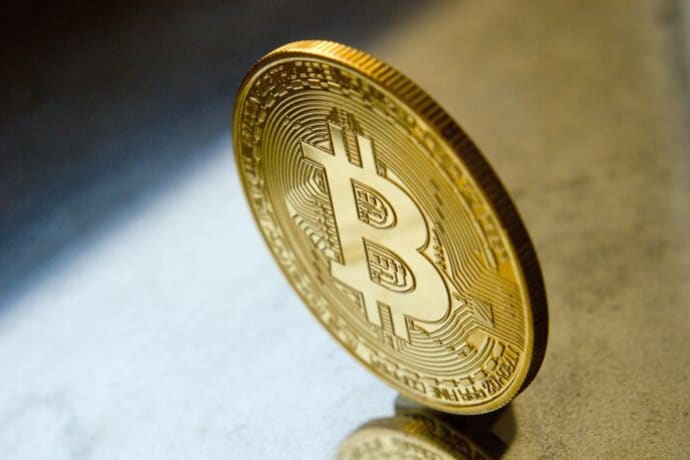
Bitcoin Halving, a significant event in the cryptocurrency universe, captivates enthusiasts with its complexity and impact on the market. While you might be familiar with the basics, let’s dig deeper into lesser-known aspects and unravel some intriguing facts that shed light on the nuances of this phenomenon.
Join us on this exploration as we uncover the hidden layers of Bitcoin Halving, offering a fresh perspective on its intricacies. See below.
- Mining Rewards: Bitcoin miners receive 6.25 BTC for verifying a block, a process called mining. At current prices (as of January 2024), this reward is worth approximately US$290,000.
- Transaction Block Timing: Blocks of transactions are added to the Bitcoin blockchain approximately every 10 minutes.
- Halving Frequency: The halving occurs after every 210,000 blocks, translating to roughly every four years. This event often coincides with increased volatility in Bitcoin prices.
- Historical Halving Dates: The first Bitcoin halving took place in November 2012, followed by subsequent events in July 2016 and May 2020.
- Mining Reward Evolution: When Bitcoin was created in 2009, miners received a reward of 50 BTC per block. After each halving, this reward is halved, dropping to 25 BTC, and so on. The last halving is projected for 2140.
- Post-Halving Scenario: After the final halving, miners will no longer receive newly created coins. Instead, they will earn transaction fees from users conducting transactions on the blockchain.
- Miners’ Dilemma: With reduced rewards after halving, miners may seek transaction fees elsewhere, potentially shifting processing power away from Bitcoin.
- Supply and Demand Dynamics: The halving not only lowers miners’ rewards but also decreases the overall supply of new coins. If demand remains constant or increases, economic theory suggests Bitcoin prices may surge.
- Debate on Historical Price Movements: While there is agreement on the economic theory, there’s ongoing debate about whether the historical price movements around each halving directly resulted from the event.
- Next Halving Anticipation: Experts suggest the next Bitcoin halving is expected around May 2024, occurring approximately every four years. This somewhat predictable cycle is designed to avoid major shocks to the network.
- Historical Volatility: Halving events historically bring about heightened price volatility, leading to trading frenzies. Despite initial fluctuations, Bitcoin prices have tended to rise significantly a few months after each halving.
What’s your perspective on Bitcoin halving? Share your thoughts and join the conversation about the future of cryptocurrency!