
What to Know
- SK Hynix fell 7% Monday after a 13% debut day pop lasted only one session.
- The Seoul listed move was described as the stock’s largest single day drop on record.
- The pressure spread to the iShares Semiconductor ETF and hit memory names before the U.S. premarket session opened.
- Market participants viewed the move as a positioning flush in an overcrowded chip trade rather than a full thesis breakdown.
- The Nasdaq 100 is under pressure near its 50 day moving average, with important support cited at 51373.
- A low at 52343 is being treated as a price level, not yet a confirmed swing bottom.
- If selling deepens, technical traders are watching an intermediate retracement zone from 51882 to 41463.
- JPMorgan Chase, Goldman Sachs, Morgan Stanley, Bank of America, Citigroup, and Wells Fargo report this week.
- FactSet’s 23% year over year earnings growth bar for banks is high enough to shape market reaction.
- Tuesday’s CPI print is expected to show headline inflation cooling 0.2% month over month, while the annual rate remains at 3.8%.
Chip Reversal Puts the Nasdaq 100 Back on Defense
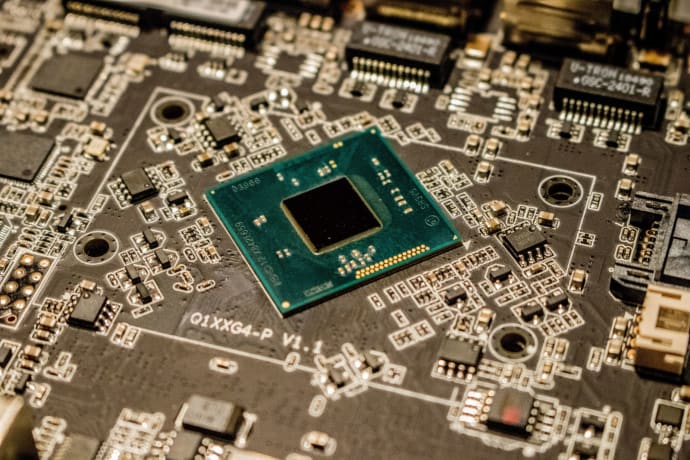
The Nasdaq 100 started the week under pressure as weakness in semiconductor shares turned into the market’s most visible stress point. SK Hynix became the center of attention after a 13% debut day pop failed to hold beyond a single session. The stock then gave back 7% Monday, with selling in Seoul severe enough to mark its largest single day drop on record. By the time U.S. premarket trading opened, the move had already spread through the chip complex, dragging the iShares Semiconductor ETF lower and weighing on memory related names.
For FXCOINZ market coverage, the key distinction is whether the move represents a collapse in the artificial intelligence and memory chip narrative or a forced unwind in a crowded trade. At this stage, many market participants are treating it as the latter. The semiconductor trade had entered the week with heavy positioning, and a sharp reversal in a major memory name gave traders a reason to cut exposure at the same time. When a popular trade becomes crowded, the first clear sign of weakness can trigger selling that looks larger than the fundamental news itself.
That does not mean the pressure is harmless. Semiconductor shares have been an important source of leadership for major U.S. equity indices, especially the Nasdaq 100. When the group stumbles, the index can lose momentum quickly because chip stocks sit at the intersection of growth, artificial intelligence, data center spending and risk appetite. A positioning flush can remain contained if buyers return near support. It becomes more dangerous if it starts to pull capital out of other high valuation growth areas.
Nasdaq 100 Technical Levels Move Into Focus
The Nasdaq 100 chart is now the one under the most pressure. The low at 52343 is only a price level for now, not a confirmed swing bottom. That matters because a swing bottom typically requires evidence that buyers have stepped in and that the market has rejected lower prices. Without that confirmation, technical traders may view the level as vulnerable rather than dependable.
If selling is strong enough to continue, traders are watching an intermediate retracement zone from 51882 to 41463. The more immediate and important support reference is the 50 day moving average at 51373. A moving average can serve as a widely watched line between a normal pullback and a more concerning loss of momentum, especially when institutional traders and systematic strategies are monitoring the same area. The Nasdaq 100 sitting on or near that zone with no clear buyer response increases the importance of the next move.
A sustained break would put last week’s low back on the table. That does not guarantee a deeper decline, but it would signal that dip buyers are not yet strong enough to absorb the chip selloff. In contrast, if buyers defend the area and semiconductor selling stabilizes, the damage may remain limited to a crowded part of the market rather than becoming a broader index event.
Semiconductor Selling Looks Like a Positioning Flush
The phrase positioning flush is important for interpreting the chip selloff. It describes a market where traders who entered the same bullish theme are forced or encouraged to exit around the same time. That can happen even when the long term story remains intact. In this case, the memory chip rally had become crowded, and SK Hynix’s reversal gave investors a visible reason to reduce exposure.
In crowded trades, price action often becomes more important than the immediate narrative. A stock can fall because investors want to protect gains, because short term traders are reacting to momentum, or because risk managers are reducing concentration. The result can be broad selling across a group, even when the original catalyst is tied to one name. That is why the iShares Semiconductor ETF and memory related stocks moved in sympathy with SK Hynix.
The market question is whether the unwind remains orderly. If it does, capital may rotate into other parts of the equity market, particularly if earnings results offer support. If it does not, chip weakness could become a broader risk off signal that pressures growth stocks and weighs on the Nasdaq 100 more directly.
Bank Earnings Add Another Test for Risk Appetite
The semiconductor selloff is arriving during a crowded earnings week. JPMorgan Chase, Goldman Sachs, Morgan Stanley, Bank of America, Citigroup, and Wells Fargo all report this week. Their stocks were already trading lower ahead of the results, which raises the bar for a positive reaction. FactSet’s 23% year over year earnings growth expectation is significant enough to matter because strong results may be required simply to meet investor assumptions.
Bank earnings can shape market tone because they offer a read on credit conditions, trading activity, deal flow, lending demand and consumer resilience. When banks report into an already unsettled tape, the reaction can influence whether investors rotate away from technology into financials or retreat from equities more broadly. Netflix, Johnson & Johnson, and UnitedHealth are also on deck, adding more sector breadth to the week’s earnings calendar.
If the banks clear the earnings bar, market participants may view the chip weakness as more contained. That would support the idea that money is rotating rather than exiting risk assets. If banks disappoint, however, the market could face simultaneous pressure from technology and financials, a combination that would make it harder for the major indices to stabilize.
CPI, Crude and Rate Expectations Raise the Stakes
Tuesday’s CPI release is another major catalyst. The print is expected to show headline inflation cooling 0.2% month over month, but the annual rate at 3.8% remains too high for investors hoping for an easy rate narrative. Inflation data matters even more when crude prices are moving sharply, because energy can change how markets interpret price pressure and central bank flexibility.
The crude spike matters more Tuesday than it does Monday because it arrives directly before CPI. A hot inflation reading with oil moving strongly would give policymakers little room to sound patient on rates. Warsh is scheduled to testify before the House Financial Services Committee that same afternoon, giving the market two rate sensitive events in one session. That combination may increase volatility across equities, rates and risk assets.
For the Nasdaq 100, the rate backdrop is especially important because growth stocks are sensitive to discount rate expectations. Higher rate pressure can weigh on valuations, particularly in areas where investors have already paid up for future earnings growth. If CPI surprises in an unfavorable direction and crude remains a concern, chip weakness could be harder to isolate.
S&P 500 and Dow Levels Remain Part of the Broader Setup
While the Nasdaq 100 is under the most pressure, the broader equity picture is not limited to technology. The S&P 500 still has more room to work with because it remains above Fibonacci support. However, bulls need to retake 7628.75 to show that the two day rally off Thursday’s low remains alive. Without that recovery, the index may struggle to convince traders that the pullback is complete.
The Dow is caught between a pair of retracement levels, leaving it in a range that could break one way or the other before the week ends. That setup reflects a market waiting for confirmation from earnings, inflation data and the reaction in key leadership groups. If banks perform well and chip selling slows, the Dow and S&P 500 may help stabilize sentiment. If the range breaks lower while the Nasdaq 100 loses support, the tone could turn more defensive.
Market breadth will be critical. A selloff confined to semiconductors is uncomfortable but manageable. A selloff that spreads into banks, healthcare, consumer names and broader indices becomes a larger concern. This week’s calendar gives investors several chances to reassess whether the market is rotating internally or reducing overall risk exposure.
What Traders Are Watching Next
The immediate focus is whether semiconductor shares can find a floor after the SK Hynix reversal. Buyers do not need to immediately erase the decline, but they do need to show that the selling is not accelerating. For the Nasdaq 100, holding near the 50 day moving average at 51373 is the key technical test. A break that sustains below that area would increase attention on last week’s low and the broader retracement zone.
The second focus is earnings. Bank results will help determine whether investors have an alternative leadership group if technology cools. Strong reports could support rotation and reduce index level damage. Weak reports could deepen risk aversion and place more pressure on equities broadly.
The third focus is Tuesday’s CPI and the rate response around Warsh’s testimony. Inflation cooling month over month would be constructive, but the annual rate at 3.8% keeps the market sensitive to any sign that price pressure remains persistent. With crude also in focus, the policy outlook may remain a central driver of equity volatility.
For now, FXCOINZ views the market setup as fragile but not yet broken. The chip trade has suffered a sharp positioning flush, the Nasdaq 100 is testing important support, and the next catalysts arrive quickly. Whether this becomes a contained semiconductor correction or a wider equity pullback depends on buyers defending key levels and earnings delivering enough strength to keep capital inside the market.
Frequently Asked Questions (FAQs)
Why did the Nasdaq 100 come under pressure?
The Nasdaq 100 came under pressure as semiconductor stocks sold off after SK Hynix reversed sharply. The weakness spread into the iShares Semiconductor ETF and memory related names, weighing on a key leadership area for the index.
What happened to SK Hynix?
SK Hynix fell 7% Monday after a 13% debut day pop lasted only one session. The Seoul listed selling was severe enough to be described as the stock’s largest single day drop on record.
Is the chip selloff a fundamental breakdown?
Market participants are largely treating the move as a positioning flush rather than a confirmed breakdown in the broader chip thesis. The trade had become crowded, which made it vulnerable to a sharp unwind when SK Hynix reversed.
What Nasdaq 100 level matters most now?
The 50 day moving average at 51373 is the key support level being watched. The low at 52343 is viewed as a price level rather than a confirmed swing bottom, while deeper selling could bring the 51882 to 41463 retracement zone into focus.
Why are bank earnings important this week?
Major banks including JPMorgan Chase, Goldman Sachs, Morgan Stanley, Bank of America, Citigroup, and Wells Fargo report this week. With a 23% year over year earnings growth bar from FactSet, results may influence whether investors rotate into financials or reduce risk more broadly.
How could CPI affect the market?
Tuesday’s CPI print is expected to show headline inflation cooling 0.2% month over month, while the annual rate remains at 3.8%. A hotter reading could increase rate sensitivity, especially with crude prices already drawing attention.
Why does crude matter for this setup?
Crude matters because energy price moves can shape inflation expectations. With CPI arriving Tuesday, stronger crude prices may make investors more sensitive to any sign that inflation remains sticky.
What does the S&P 500 need to do?
The S&P 500 remains above Fibonacci support, but bulls need to retake 7628.75 to show that the two day rally off Thursday’s low is still alive. Failure to do so may keep broader market momentum uncertain.
What is the Dow’s current setup?
The Dow is stuck between a pair of retracement levels. That range is expected to resolve one way or the other before the week ends as earnings, CPI and broader risk sentiment develop.