
What to Know
- Bitcoin has rebounded toward $65,000 after softer than expected U.S. inflation figures for June improved risk appetite.
- BTC recently moved near $64,871.86 after climbing from $61,500, with most gains occurring on Tuesday.
- Headline CPI rose 3.5% year over year in June, below the 3.8% consensus forecast.
- Core CPI, excluding food and energy, came in at 2.6% year over year and was flat month over month.
- June producer price index data also came in lower than expected, easing concern about further Federal Reserve rate hikes.
- The dollar index fell half a percent this week to 100.48, while Treasury yields also declined.
- On-chain signals show long term holders selling coins at a loss as prices recover.
- Short term holders who bought near recent lows are realizing profits at a pace exceeding $4 million per day.
- Some market participants warn that the inflation boost may be fragile because oil prices have rebounded after a 10% gasoline drop helped drive the June CPI reading.
- The Fear and Greed Index moved only from 22 to 25, remaining in Extreme Fear despite the bounce.
Bitcoin Rally Meets On-Chain Selling Pressure
Bitcoin is pushing back toward a closely watched price zone near $65,000 after softer U.S. inflation data encouraged a renewed bid across risk assets. The move has brought BTC close to $64,871.86, recovering from $61,500 earlier in the week and reviving discussion about whether the market is preparing for a broader advance.
Yet the rebound is not being met with universal conviction. On-chain data points to selling from two distinct groups of BTC holders at the same time the market is attempting to extend higher. Long term holders are using the recovery to exit positions at a loss, while short term holders who accumulated near recent lows are taking profits into strength. Together, those flows may create overhead supply and limit the speed of any breakout attempt.
For FXCOINZ readers, the key issue is not simply that bitcoin rose after inflation cooled. The more important question is whether that rise can absorb supply from investors with very different cost bases and motivations. When underwater long term holders and profitable short term buyers both sell into the same rally, it can reveal a market that is improving but not yet fully confident.
Long Term Holders Use the Bounce to Cut Losses
One area of pressure is coming from long term holders, a group often defined in on-chain analysis as wallets that tend to hold coins for at least five months. These investors are usually viewed as the more patient segment of the BTC market, but their behavior can shift when a rebound offers a chance to reduce losses after an extended drawdown.
Some chart watchers say long term holders who bought near highs last year are capitulating into the current bounce. Capitulation in this context does not necessarily mean panic selling at the absolute low. It can also mean accepting a smaller loss during a relief rally rather than waiting for a full recovery that may or may not arrive soon.
That behavior matters because long term holders are often associated with stronger conviction. When they sell into strength instead of holding through volatility, it can suggest that confidence in the sustainability of the move remains fragile. It may also indicate that investors who are still underwater from earlier in the cycle are treating the rally as an opportunity to reduce exposure rather than a reason to add risk.
Market participants have noted that realized loss volume from long term holders has been rising as bitcoin approaches the area around $66,000. That does not automatically mean the rally will fail, but it does point to a supply zone where previously trapped holders become more willing to sell. The closer BTC gets to levels where losses feel less painful, the more coins may return to the market.
Short Term Buyers Lock In Profits
The second source of selling comes from short term holders who bought near recent lows. Unlike the long term cohort, these investors are not necessarily trying to escape losing positions. Instead, they are realizing gains after the rebound from $61,500 toward nearly $65,000.
Short term holders are currently taking profits at a pace exceeding $4 million per day. That selling wave resembles activity seen in May, when BTC briefly climbed to its 200 day average above $82,000. The comparison matters because profit taking near major technical or psychological zones can slow momentum even when the broader backdrop appears supportive.
Short term holders often respond quickly to price changes. When they buy a dip and see a fast rebound, many choose to secure gains rather than wait for confirmation of a larger trend reversal. In a market still marked by caution, that response is understandable. It also means bitcoin needs stronger demand to keep advancing, because fresh buying must absorb both loss cutting from long term holders and profit taking from recent buyers.
This dual selling dynamic creates a complicated setup. On one side, improving macro data is helping risk assets. On the other, blockchain activity suggests that enough investors remain skeptical to sell into the bounce. That tension may define bitcoin trading in the near term as bulls try to push through resistance while sellers test the depth of demand.
Inflation Data Gives BTC a Macro Tailwind
The immediate catalyst for the bitcoin rebound was softer U.S. inflation data for June. Headline CPI rose 3.5% year over year, below the 3.8% consensus forecast and marking a notable cooldown from prior months. Core CPI, which excludes food and energy, came in at 2.6% year over year and was flat month over month.
Producer price index data for June also came in lower than expected, adding to the view that inflation pressure in the pipeline may be easing. For crypto markets, that combination matters because it can reduce fears that the Federal Reserve will need to deliver additional interest rate hikes. Lower expected rates can improve liquidity conditions and support risk assets, including bitcoin.
The reaction across traditional markets reinforced the macro shift. The dollar index declined half a percent this week to 100.48, and Treasury yields also dropped. A softer dollar and lower yields can be constructive for bitcoin because they reduce the relative appeal of cash and fixed income, while encouraging investors to consider assets with greater risk and upside potential.
Still, a favorable macro impulse does not eliminate market structure issues. Bitcoin can rally on softer inflation and still face resistance if major holder groups are distributing coins. That is why the current move is being watched not only through price action, but also through realized profit and loss behavior on-chain.
Oil Rebound Raises Questions About the CPI Boost
Some observers are cautious about reading too much into the June inflation surprise. One concern is that the slower CPI reading was helped by a 10% drop in gasoline through June. If that energy price move has already reversed, the June data may offer an incomplete picture of inflation pressures developing in July.
Brent has moved to a one month high as the Hormuz situation escalates, which has added a war premium to energy markets. If oil related pressures feed into future inflation data, the supportive narrative that helped lift bitcoin could face a test. In that scenario, markets may need to reassess whether the Federal Reserve has enough evidence to remain patient.
Ryan Lee, chief analyst at crypto exchange Bitget, framed the issue as markets reacting to a June snapshot while July develops differently. His caution centers on the possibility that the next inflation print may be the first to reflect the renewed energy premium. That does not mean the current bitcoin rally is invalid, but it does mean the macro case may remain sensitive to commodity price moves.
Jasper De Maere, an OTC trader at market maker Wintermute, also urged caution despite acknowledging that the inflation data was genuinely constructive. He pointed to U.S. strikes on Iran extending into a fourth consecutive day and noted that the Fear and Greed Index moved only from 22 to 25, still in Extreme Fear. In that view, one soft CPI print against active military escalation is not the same as a durable shift in risk appetite.
What Traders Are Watching Next
Technical traders are now focused on whether BTC can sustain trade near $65,000 and push toward the area around $66,000 without triggering heavier distribution. If long term holder realized losses keep rising and short term profit taking remains elevated, bitcoin may need a stronger wave of spot demand to continue higher.
The market is also watching whether the inflation led relief trade broadens or fades. A continued decline in Treasury yields and a weaker dollar would likely help risk sentiment. However, renewed strength in oil or further geopolitical escalation could complicate the outlook by reviving inflation concerns and limiting investor appetite for volatile assets.
For now, bitcoin is benefiting from a macro tailwind, but the on-chain picture is more mixed. The rally has improved short term sentiment, yet selling from both long term and short term holders suggests conviction has not fully recovered. A decisive move higher would likely require proof that buyers can absorb this supply without losing momentum.
The result is a market that is stronger than it was near $61,500 but not yet free of resistance. Bitcoin traders may continue to treat the area near $65,000 as a test of whether the rebound is simply a relief rally or the start of a more durable recovery phase.
Frequently Asked Questions (FAQs)
Why did bitcoin rise toward $65,000?
Bitcoin rose after softer than expected U.S. inflation data for June eased concerns about additional Federal Reserve rate hikes and improved demand for risk assets.
What was the latest headline CPI reading?
Headline CPI rose 3.5% year over year in June, below the 3.8% consensus forecast and cooler than prior months.
What did core CPI show?
Core CPI, which excludes food and energy, came in at 2.6% year over year and was flat month over month.
Which bitcoin holders are selling into the rally?
On-chain signals show selling from long term holders realizing losses and short term holders taking profits after buying near recent lows.
How much profit are short term holders realizing?
Short term holders are realizing profits at a pace exceeding $4 million per day as BTC trades near the current rebound zone.
Why is long term holder selling important?
Long term holder selling can suggest weaker conviction, especially when investors who bought near earlier highs use a relief rally to exit at a smaller loss.
Why are some traders cautious about the inflation data?
Some traders argue that the June CPI reading was helped by a 10% drop in gasoline and may not fully reflect the recent rebound in oil prices.
What does the Fear and Greed Index show?
The Fear and Greed Index moved from 22 to 25, but it remained in Extreme Fear, suggesting sentiment is still cautious despite the bitcoin rebound.
What is the main level traders are watching now?
Traders are watching whether BTC can hold near $65,000 and approach the area around $66,000 without a larger wave of selling from existing holders.
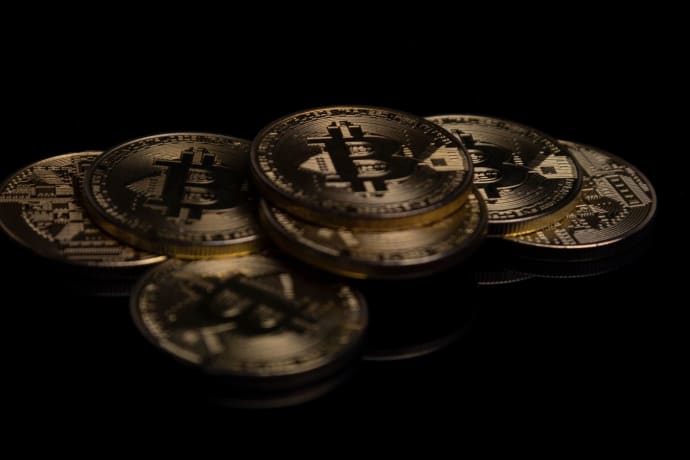
Photo by Bastian Riccardi on Pexels